School of Environmental & Forest Sciences
University of Washington
Exploring the fungal foundations of forests to support climate adaptation from the ground up.
Selected Publications
For a more complete list of publications, check out
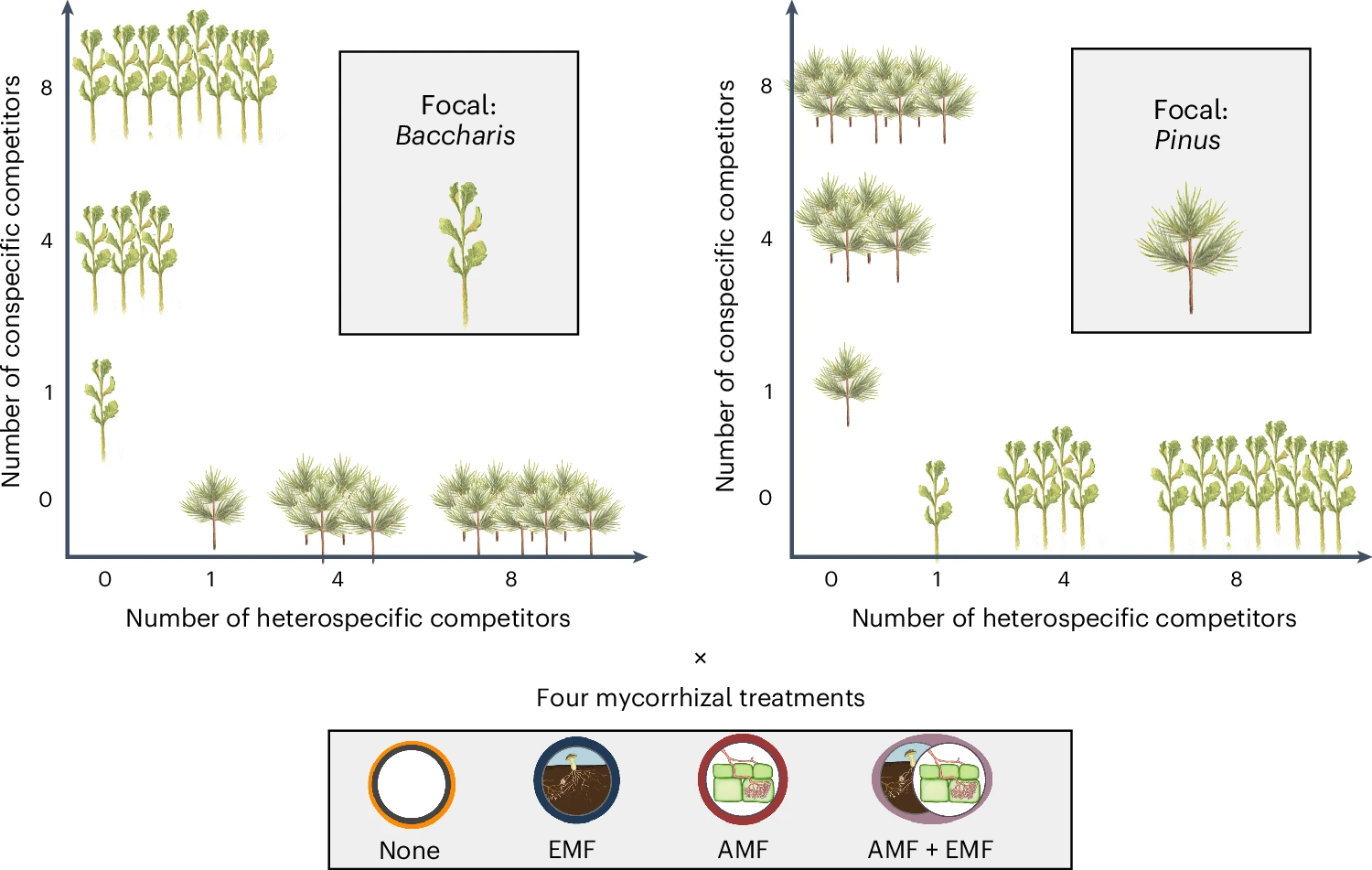
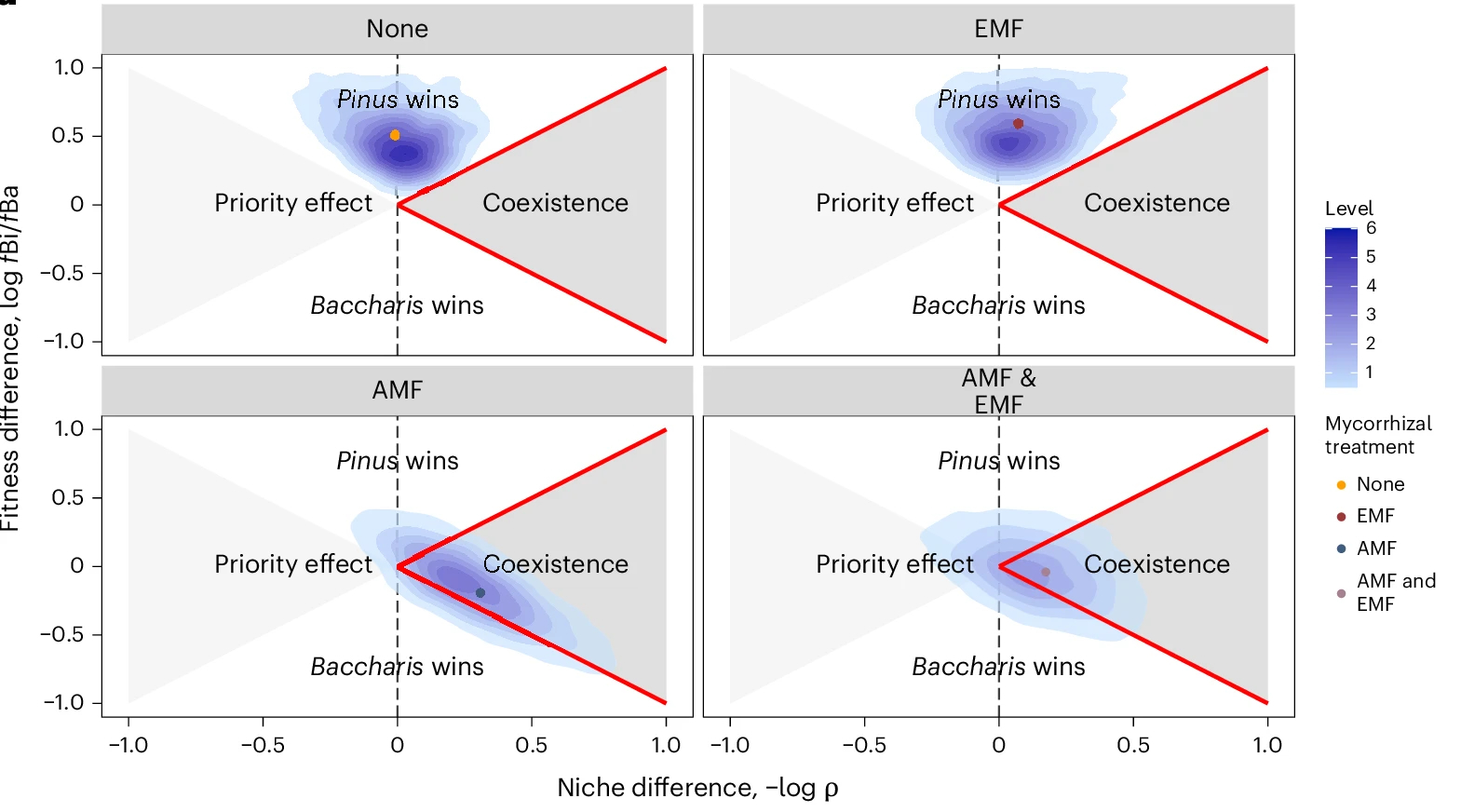
Willing, C. E., Wan, J., Yeam, J. J., Cesna, A. M., & Peay, K. G. (2024). Arbuscular mycorrhizal fungi equalize differences in plant fitness and facilitate plant species coexistence through niche differentiation. Nature Ecology & Evolution, 8(11), 2058–2071. doi.org/10.1038/s41559-024-02526-1
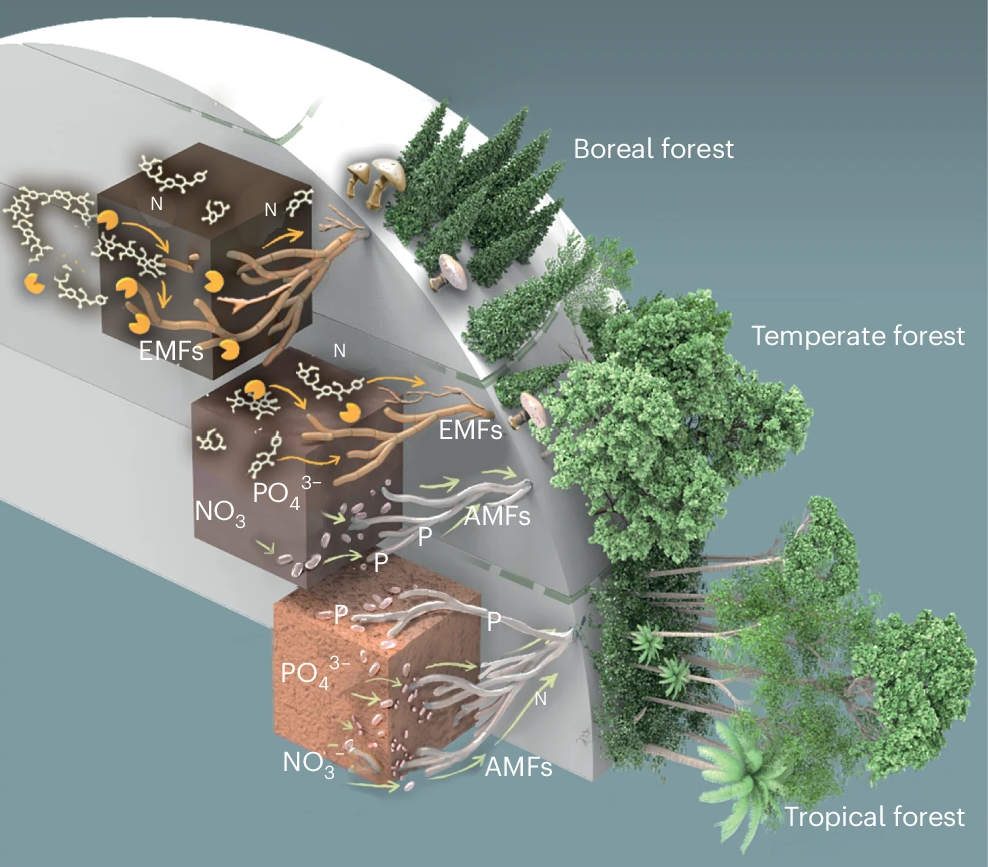
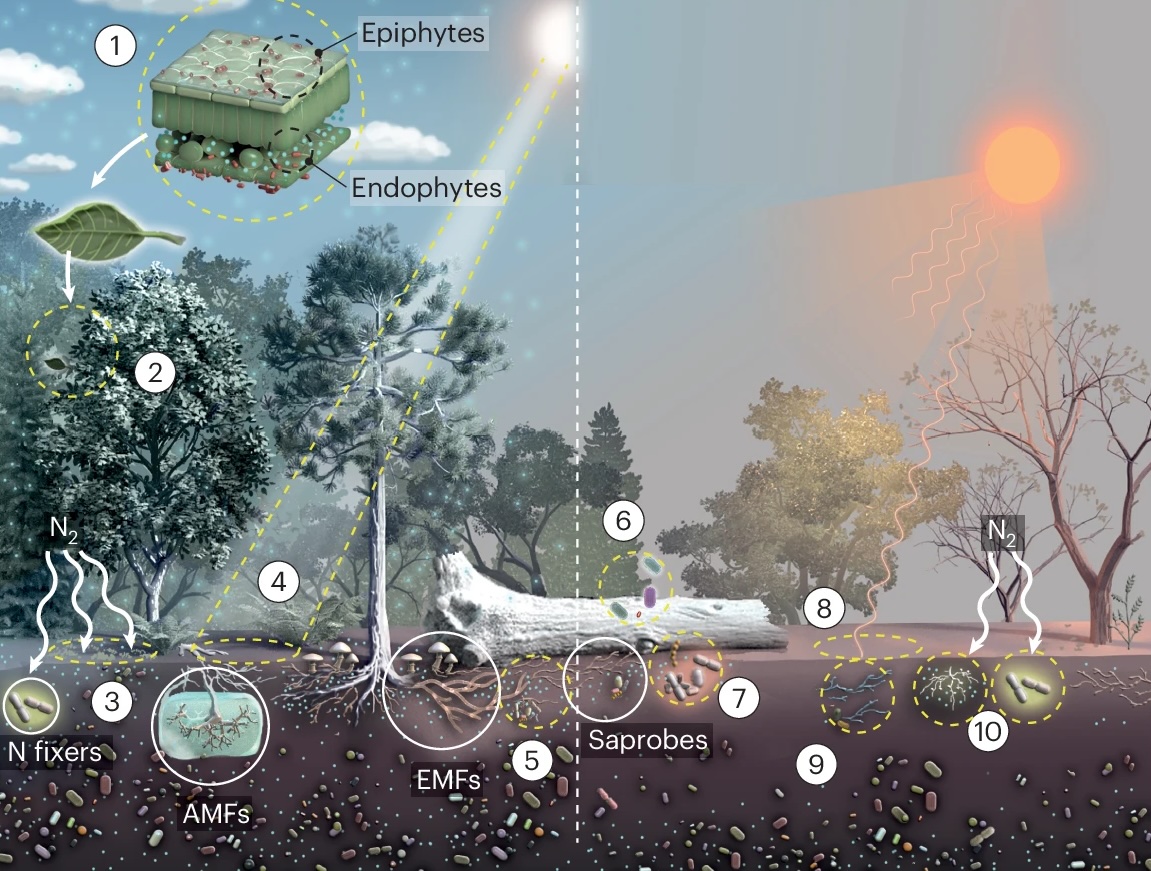
Willing, C. E., Pellitier, P. T., Van Nuland, M. E., Alvarez-Manjarrez, J., Berrios, L., Chin, K. N., Villa, L. M., Yeam, J. J., Bourque, S. D., Tripp, W., Leshyk, V. O., & Peay, K. G. (2024). A risk assessment framework for the future of forest microbiomes in a changing climate. Nature Climate Change, 14(5), 448-461. doi.org/10.1038/s41558-024-02000-7
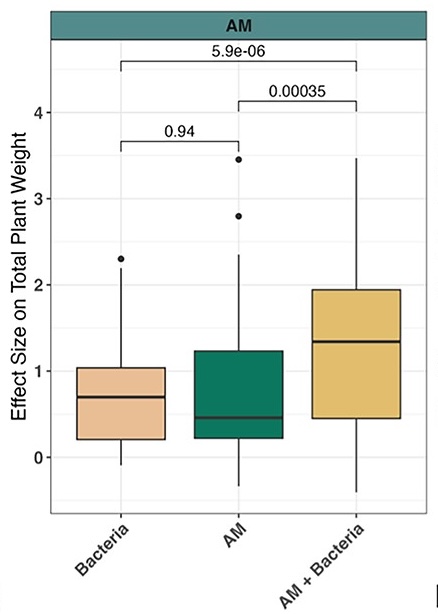
Berrios, L., Venturini, A. M., Ansell, T. B., Tok, E., Johnson, W., Willing, C. E., & Peay, K. G. (2024). Co-inoculations of bacteria and mycorrhizal fungi often drive additive plant growth responses. ISME Communications, 4(1), ycae104. doi.org/10.1093/ismeco/ycae104
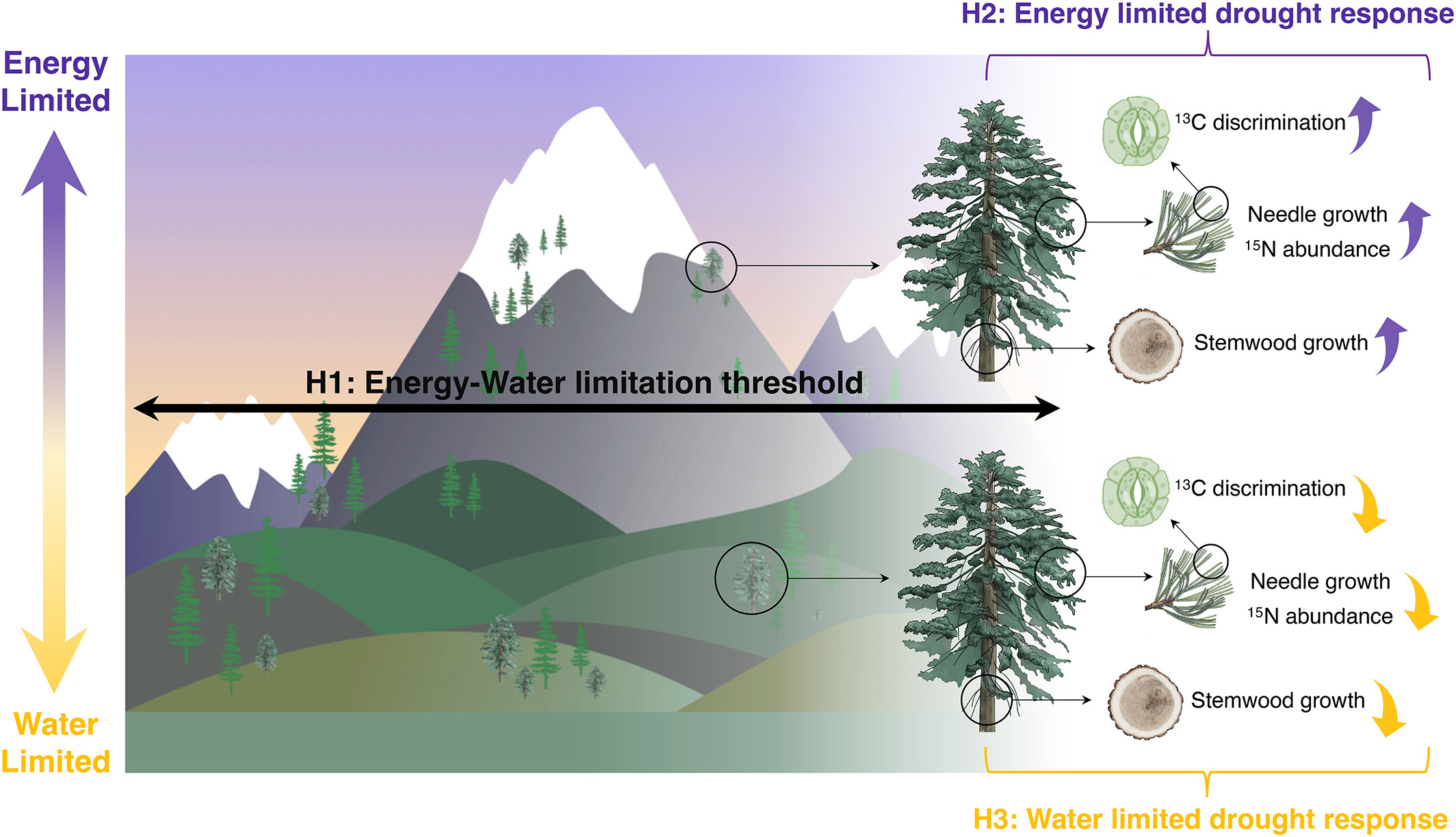
Dudney, J., Latimer, A. M., van Mantgem, P., Zald, H., Willing, C. E., Nesmith, J. C. B., Cribbs, J., & Milano, E. (2023). The energy‐water limitation threshold explains divergent drought responses in tree growth, needle length, and stable isotope ratios. Global Change Biology, 29(12), 3779-3790. doi.org/10.1111/gcb.16740
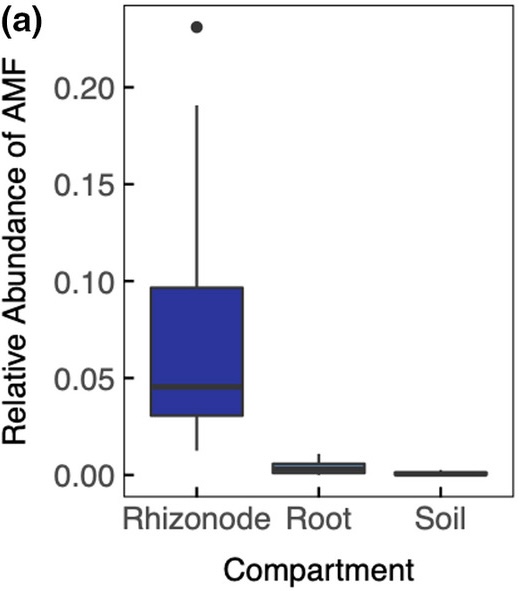
Willing, C. E., Pierroz, G., Guzman, A., Anderegg, L. D. L., Gao, C., Coleman-Derr, D., Taylor, J. W., Bruns, T. D., & Dawson, T. E. (2021). Keep your friends close: Host compartmentalisation of microbial communities facilitates decoupling from effects of habitat fragmentation. Ecology Letters, 24(12), 2674-2686. doi.org/10.1111/ele.13886
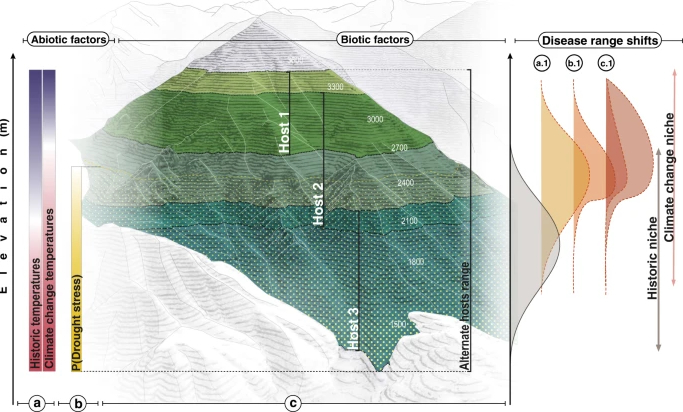
Dudney, J., Willing, C. E., Das, A. J., Latimer, A. M., Nesmith, J. C. B., & Battles, J. J. (2021). Nonlinear shifts in infectious rust disease due to climate change. Nature Communications, 12(1), 5102. doi.org/10.1038/s41467-021-25182-6
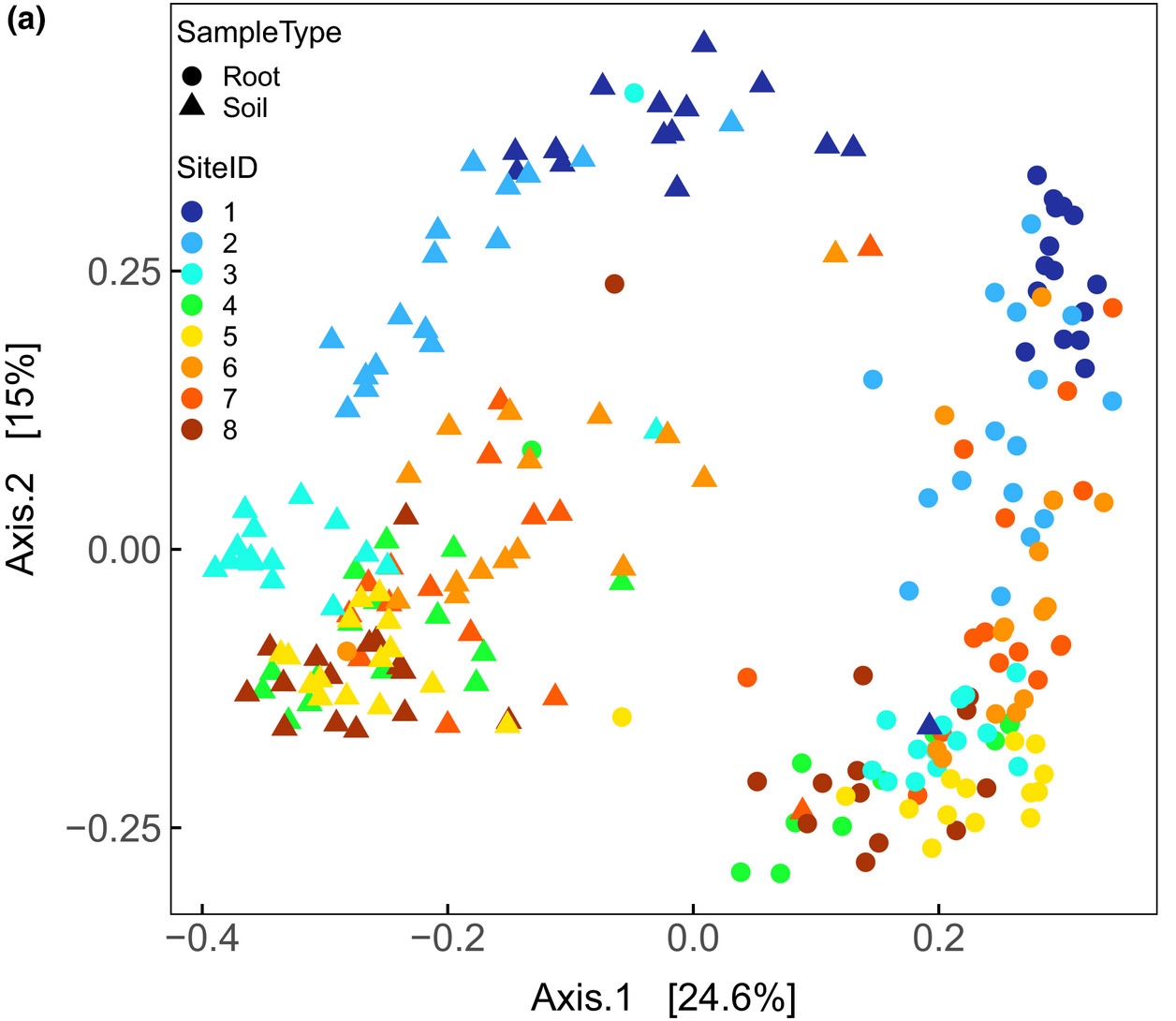
Willing, C. E., Pierroz, G., Coleman-Derr, D., & Dawson, T. E. (2020). The generalizability of water‐deficit on bacterial community composition; Site‐specific water‐availability predicts the bacterial community associated with coast redwood roots. Molecular Ecology, 29(23), 4721-4734. doi.org/10.1111/mec.15666
Research
Plant microbiomes and global change
The first major goal of our research is to characterize and quantify the impact of global change on
plant-associated microbial communities. While next-generation sequencing has revolutionized our
understanding of plant-microbe interactions, there remain critical gaps in understanding how
microbiomes might respond to global change. The long-term goal of this research is to understand how
pulse disturbances like fire and drought impact the distributions of key microbes. Given the
orders-of-magnitude differences between tree and microbial lifespans, differing rates of adaptation
and recovery could cause spatio-temporal mismatches between plant and microbe partners. For
instance, it is unclear how rapidly microbial communities may adapt, acclimate, or recover from
increased frequency of pulse disturbances.
Microbial underpinnings of plant community ecology
Taking the information that we learn about the impact of global change on microbial distributions, the second major axis of our research
program is to understand how the presence of key microbes mediates plant species assembly,
especially following severe pulse disturbances. The factors which determine species coexistence and
maintain diversity in terrestrial systems is a central question in ecology. One provocative idea is
that symbiotic mutualisms control vegetation structure. Leveraging models based on the modern
coexistence framework, our research investigates the role of root-associated microbial communities
on the resistance and resilience of forest communities to climate change. As climate change poses
new challenges for ecosystems, our research will illustrates how microbes influence processes of
landscape-scale resistance and resilience.
Microbial drivers of plant physiological ecology
Using the information that we gain from testing the role of microbes on vegetation dynamics,
the last goal of our research program is to determine the role of microbial communities in the
physiological resistance of plants to climate change. For instance, AMF are thought to improve plant
drought tolerance, yet few studies have demonstrated the potential mechanisms by which drought
tolerance could be conferred. Pathogenic microbes may also influence plant ecophysiological
responses to climate change. The long-term goal for this component of our research is to determine
the role of microbes in the resistance of trees to climate change. Microbiomes are implicitly
included in current measurements of plant response to environmental change; however, our predictions
are critically limited as it is unclear how much of this variation is driven by microbial
interactions or how these interactions might shift with increasing frequency or severity of
disturbance. Our research utilizes classical ecophysiological techniques such as stomatal gas
exchange and stable isotope ecology to explore novel questions about the role of microbiomes in
determining ecophysiological responses of plants to environmental stress.
Our lab is committed to publishing our data and code for reproducible science. You can find all lab code on our
Github Organization and our data on
Zenodo.
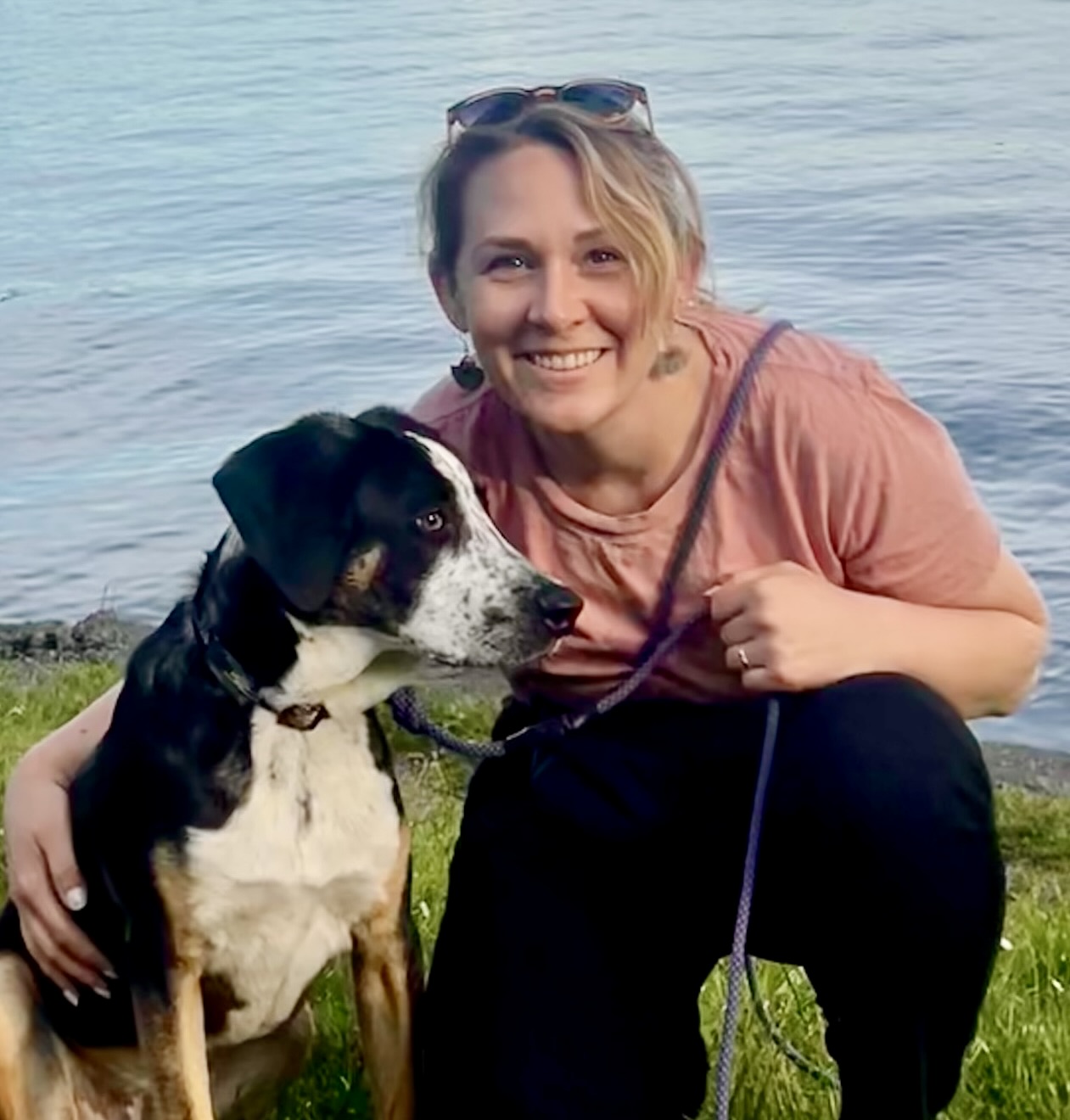
Dr. Claire Willing leads the Forest Mycobiome Lab, focusing on fungal ecology, plant ecophysiology, and plant-fungal interactions under climate change. Her work is focused on how root-associated microbes influence ecosystem resistance and resilience in response to environmental disturbance.
Outside of the lab, Claire loves to play soccer, hike, backpack, and spend time with her family and her dog Tepe.
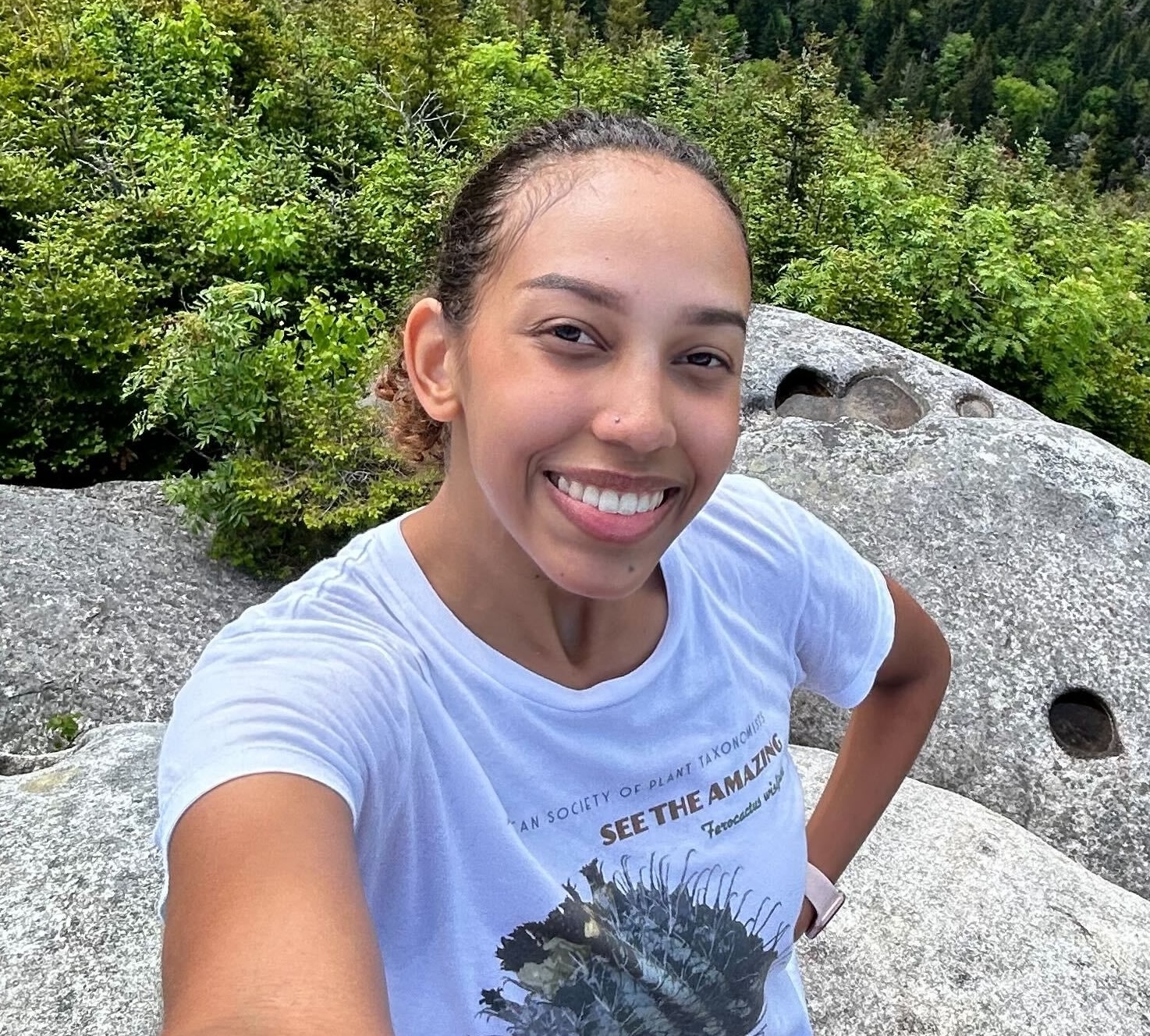
Suvi is an M.S. student in the lab who's research is focused on utilizing microbial innoculations to improve post-fire regeneration success of giant sequoia seedlings. She is passionate about creating programs to help more Black students enter the field of environmental science, just like the ones that helped her.
Outside of campus, you can find Suvi hiking, crocheting, admiring trees, or reading with a cup of hot tea on a rainy Seattle afternoon.
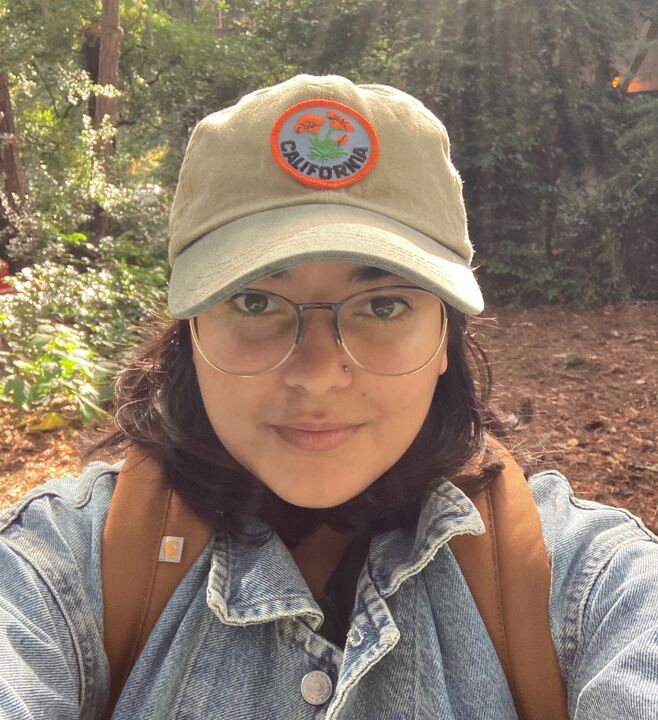
Mira Ranganath is Ph.D student in the lab whose research is focused on fungal adapation to fire and the role of fire-loving "pyrophilous" fungi in seedling regeneration, especially in forests where seedling establishment is impacted by post-fire drought.
Her ideal evening is spent cooking with her partner, listening to jazz records, and watching queer films.
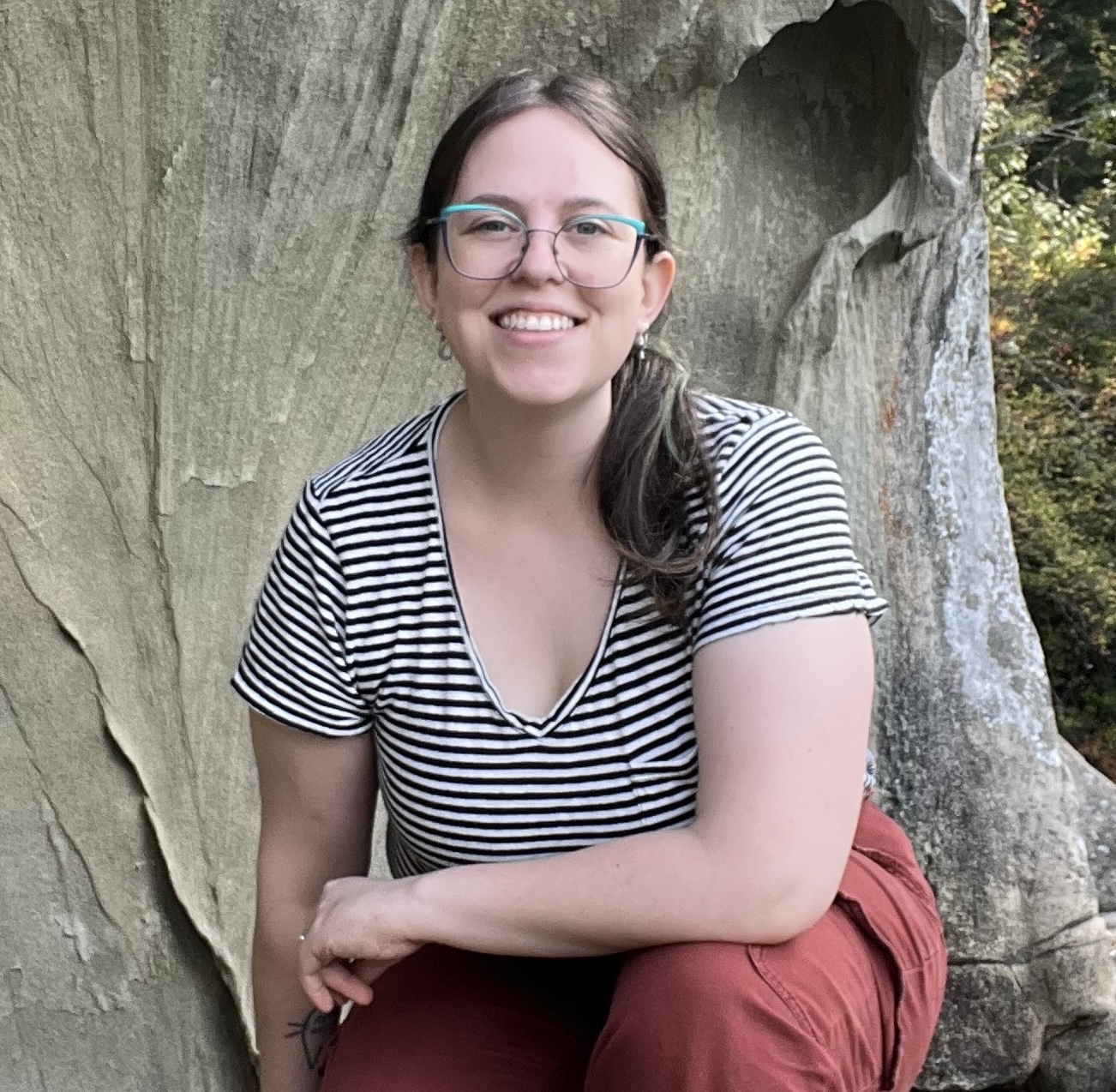
Sarah is a PhD student in the lab whose research is focused on understanding the impacts of climate-induced range shift on mycorrhizal community structure and function. Sarah also holds a M.A. in Museum Studies and has a keen interest in biological collections as references for biodiversity and global change.
Outside the lab, Sarah's favorite hobby is picking up new hobbies—currently they are experimenting with homebrewing cider, fiber arts, sewing cat jackets, and some simple wood carving.
Toby is an undergraduate at the University of Washington, majoring in Environmental Science and Resource Management. He is passionate about understanding the natural world and is especially excited by actionable forestry and agricultural applications of fungal research. Through the Mycobiome Lab, Toby is designing an independent capstone project, which will culminate in a senior thesis. He also works closely with Claire and the graduate students, advancing his skills in both general and fungal-specific research techniques and practices.
Outside of academia, Toby serves as President of the Husky Snow Club — UW’s ski and snowboard club. He also plays guitar and writes music under the name Tobias Bregar (which, indeed, is his full name). Toby is an avid enjoyer of the outdoors, good company, good music, and good ice cream.
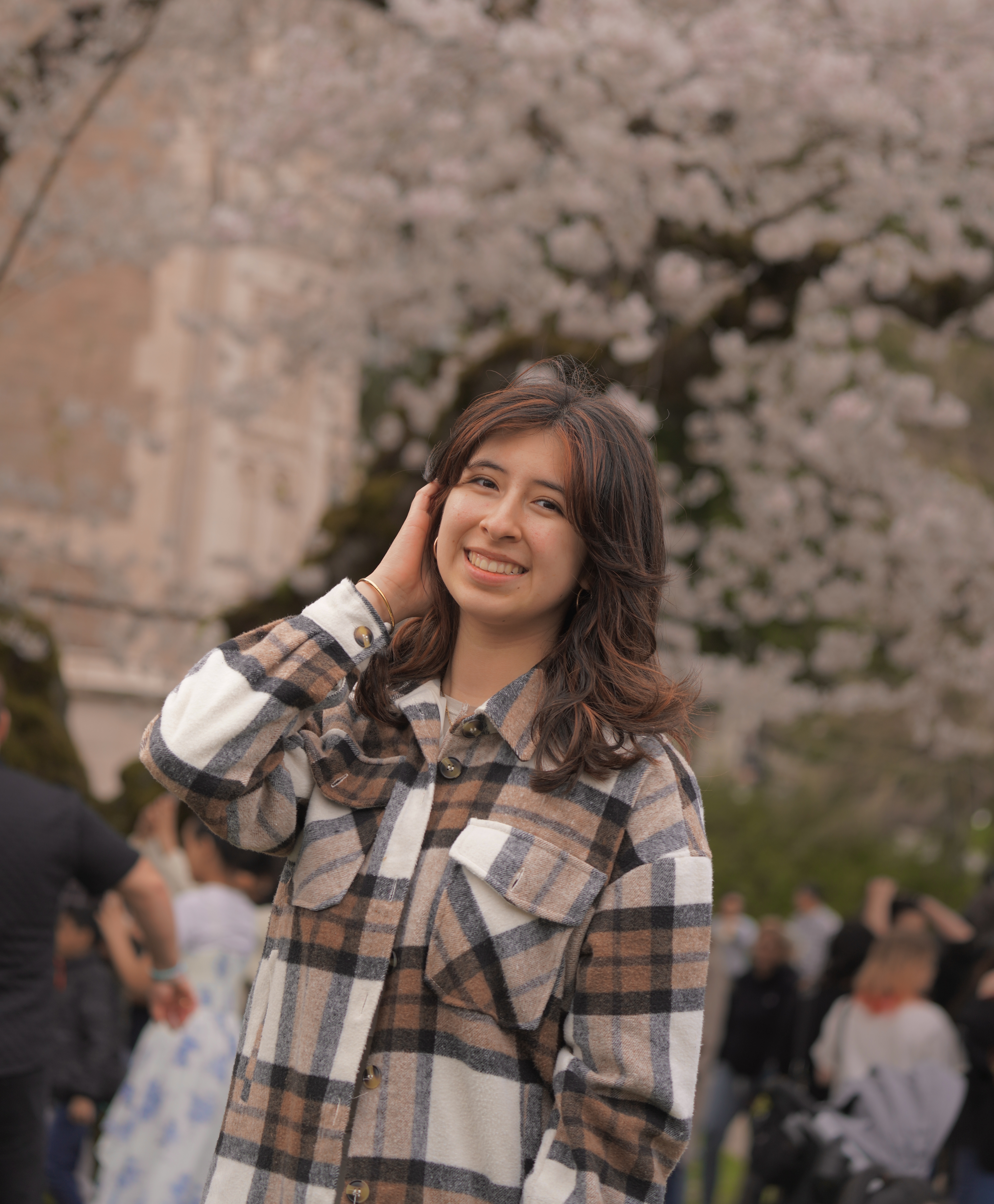
Luciana is a 3rd year undergraduate, studying Environmental Science (ESRM) with minors in Climate Science and Data Science. She is passionate about studying plant relationships with ecological and climate systems, with a focus on understanding plant community responses to pressing environmental threats such as climate change and wildfire disturbances.
Outside of academia, Luciana enjoys hiking, visiting cafes, nature photography, and scrapbooking in her free time.
Elena is an undergraduate at the University of Washington, majoring in Environmental Science and Resource Management. She is fascinated by the fact that solutions to combat the climate crisis are available through naturally occurring species and processes. After taking ESRM 201 with Claire she was inspired to enhance her understanding of how microbial communities can be a key factor in climate change resilience. Elena is excited about being a research assistant and having the opportunity to work with Suvi and other lab mates while making a real contribution toward healing our planet.
Aside from being so enamored with nature, Elena enjoys reading, painting, or dancing in her free time. She is also the Historian of the Filipino American Student Association here at UW. And, being from Chicago, Elena is so happy to have found people that are interested in similar things as her that she can learn and grow with.
Megan is a senior, studying Environmental Science and Resource Management. She is passionate about riparian zone restoration, and is currently doing her capstone on wetland restoration with King County at their Homestead Site. As part of the Mycobiome Lab, Megan is investigating the presence of mycorrhizal fungi in soil samples from planting sites along the Skagit River, in part with Skagit River System Cooperative, who she did field work for this summer.
Outside of academia, Megan loves running, biking, and exploring Washington nature and cuisine with her friends. She also plays rugby for the UW Womxn’s Rugby team.
Sydney is a third-year undergraduate at the University of Washington majoring in Environmental Science and Resource Management (ESRM). She is passionate about building a more climate-resilient future through research and the advancement of sustainable practices that support both ecosystems and communities. Her academic interests lie at the intersection of environmental science, climate adaptation, and resource management, with a focus on developing practical solutions to environmental challenges affecting both land and marine systems.
Beyond academics, Sydney enjoys spending time in nature, traveling, swimming, and trying new foods whenever she gets the chance.
Conor graduated from UW in 2025 with a degree in Environmental Science and Resource Management. Conor was an amazing volunteer assisting with procedures and data within the Forest Mycobiome Lab Group. Conor was also an officer of Student Mycology Club at UW and involved in countless groups including the Meadow Team at the Burke Museum, Society for Ecological Restoration, UW's Dawg Pack Student Section, MESH's Fashion Show, and he was an Undergraduate Student Ambassador for the College of the Environment.
As a lab technician extraordinaire, Ellie led research on fungal diversity across forest stand ages and contributed to several projects in the lab. Now a Fulbright Scholar in New Zealand, Ellie is investigating how fungal endophytes can help mitigate the spread of Kauri Dieback.
An amazing lab manager, Oliver was instrumental in establishing the lab. Their work spans studying post-fire fungi's soil-stabilizing properties and creating a digital repository for mycological archives. Oliver is also very active in serveral amateur mycology groups, serving on the Vouchering and Marketing committees for the North American Mycological Society.
I welcome inquiries from prospective postdocs interested in collaboratively developing proposals for external fellowships. Writing a strong fellowship proposal requires significant time investment from both parties, so I have limited capacity to support applications each year. I prioritize candidates whose research interests closely align with our lab's work.
If you're interested in developing a fellowship proposal to work in our lab, please email me with your CV, a 1-2 paragraph description of your research interests and how they align with our lab's work, and the fellowship(s) you're considering. I review inquiries on a rolling basis and respond only to strong fits. Due to limited bandwidth, I may not be able to respond to all inquiries.
Graduate Students
I welcome inquiries from prospective graduate students interested in fungal ecology. Graduate students join our group through the UW School of Environmental and Forest Sciences (MS or PhD).
Funding: I currently have no grants to support new students, so I am unlikely to admit students without external funding. Potential fellowship opportunities include:
To connect with me: Complete this Google Form to express your interest. This is not a formal application—it helps me identify potential fits before you apply to the program. I will not respond to email inquiries, only to form submissions. I contact strong fits when I have capacity to take on new students. Due to limited bandwidth and funding constraints, I am unable to respond to all submissions.
I value research fit with our lab's themes, initiative and independence, relevant research experience, and commitment to inclusion and mentorship. I encourage prospective students to contact current lab members to learn more about our research and advising style.
Program details: MS averages 2 years, PhD averages 5-6 years. More information and formal application instructions here.
Undergraduate Students
Due to high demand, please sign up for our group mailing list rather than emailing me directly:
We will post opportunities for lab and field work through this group. Please note: We have significantly more interest than capacity, so opportunities are limited. ESRM undergraduates can also explore the Senior Capstone.